




Ask for a Quote Today!
We focus on giving every customer an exceptional experience by prioritizing reliable and transparent service. Reach out today to schedule your appointment.
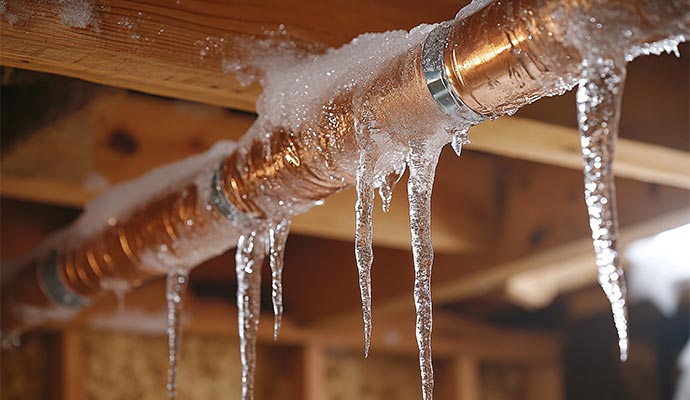
It’s a freezing winter morning in Harrisburg, PA. You roll out of bed, shuffle to the kitchen half-awake, and reach for the faucet like it’s pure muscle memory. You turn the handle … and instead of a steady stream, you get a sad little drip.
If you’ve ever experienced that moment of panic, you’re not alone. Frozen pipes are one of the most common winter plumbing problems in Central Pennsylvania, and they can turn into a major emergency fast. The biggest danger isn’t just the lack of water; it’s what happens next if the pipe bursts.
At Handyside Plumbing, HVAC & Electrical, our plumbers help homeowners handle frozen pipes every winter. Below, we’ll walk you through what to do if your pipes freeze, including whether you should shut off the water to your home.
717-356-9922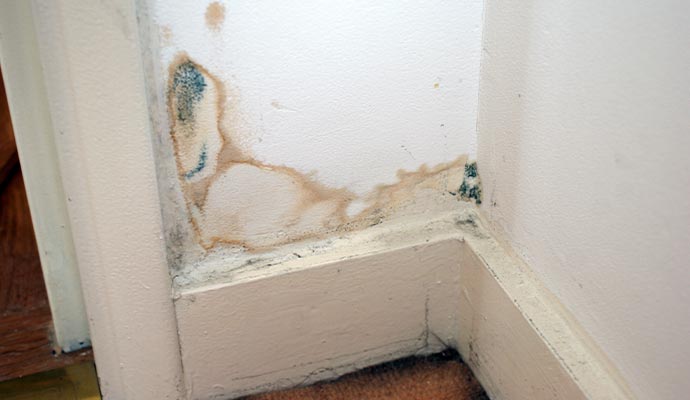
Frozen pipes are one of the fastest ways to end up with water damage, mold growth, ruined drywall, and an unexpected repair bill that makes your stomach drop. Here’s why.
When water freezes, it expands. That expansion creates pressure inside the pipe. And it’s not usually the ice itself that breaks the pipe; it’s the trapped water between the ice blockage and the closed faucet or valve. Pressure builds and builds until the pipe cracks or bursts.
And once the pipe starts thawing? That’s when the real mess begins.
A burst pipe can dump gallons of water into your home in minutes, soaking floors, ceilings, cabinets, and anything else in its path. If it happens in a wall or crawl space, you may not even notice until the damage is already extensive.
This is the question homeowners ask the most, and the answer is: Sometimes, yes. It depends on what you’re seeing.
You should turn off your water if:
Remember that turning off the water is a safety move because, if the pipe has cracked, water will start flowing immediately when it thaws.
You may not need to shut off your water if:
That said, if you’re unsure at all, shutting off the water is the safer choice. It’s always easier to turn water back on than it is to clean up after a burst pipe.
Pro Tip: Even if you don’t shut off the whole house, you may be able to shut off the water to the affected fixture or line if there’s an accessible valve.
Not all frozen pipes burst. So, how can you tell if your situation is heading in a dangerous direction? Here are warning signs that a frozen pipe is about to burst:
A complete blockage can mean the pipe is fully frozen, and pressure is building behind it.
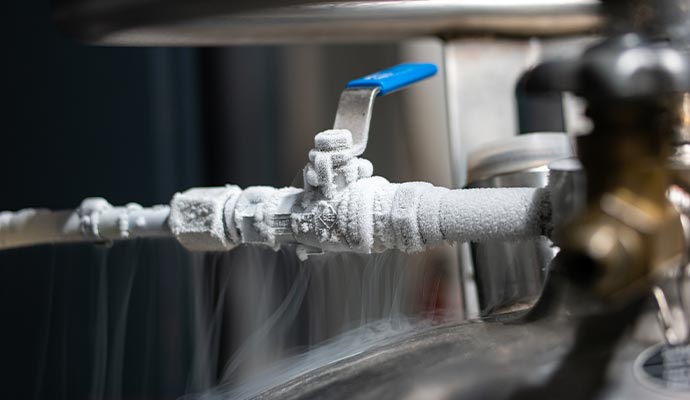
If you can see frost on an exposed line, that section is likely frozen solid — and the freeze may extend further down the line.
A pipe that looks swollen, warped, or oddly shaped is a big red flag because that means there’s pressure already building against the pipe’s walls.
If a kitchen or bathroom drain smells bad when you turn on the faucet, it could be because water can’t move through the line, and the drain trap isn’t functioning normally.
Those noises can happen when ice expands inside the pipe or when materials shift due to temperature stress.
If you wake up to frozen pipes, your first priority is preventing a burst. Take these precautionary steps right away:
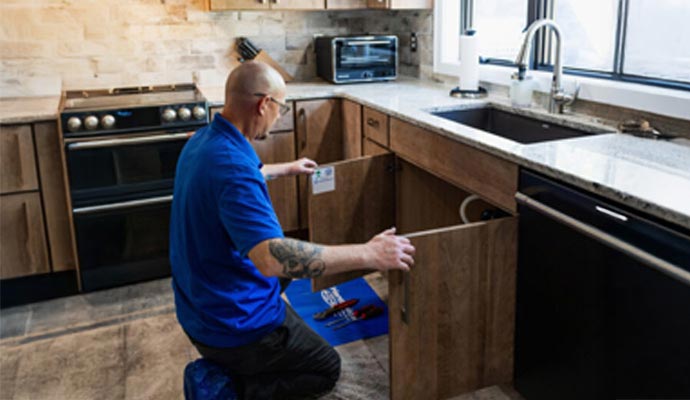
Most frozen pipes should be handled by a plumber like those at Handyside Plumbing, HVAC & Electrical. Our trained plumber offers emergency services for HPPM members. So, join our membership plan and call right away if:
Frozen pipes are one of those winter problems that can go from “annoying” to “disaster” in the blink of an eye. If you’re wondering, “Should I turn off the water if pipes are frozen?” the safest answer is: turn it off if you suspect a crack or can’t locate the freeze.
Handyside Plumbing, HVAC & Electrical provides fast, reliable plumbing repairs in Harrisburg, PA, including help with frozen pipes, burst pipe repairs, and winter plumbing issues.
If you suspect a pipe is frozen, see frost on a line, notice bulging, or have no water flow, contact us right away. The sooner you act, the better chance you have of avoiding major damage and getting your home back to normal quickly.
717-356-9922
4.97 out of 1473 reviews

We focus on giving every customer an exceptional experience by prioritizing reliable and transparent service. Reach out today to schedule your appointment.
Save more and stress less with our Handy Advantage Partner Plan membership. Get priority service, exclusive perks, and added value on every visit, year-round protection included.